Last month, my neighbor Sarah started yoga after years of desk work wrecked her back. She grabbed a $15 thin mat, slipped during downward dog, and quit within a week. Don’t be Sarah.
The right mat isn’t just cushion, it’s your foundation. I’ve tested dozens, and these five picks balance grip, comfort, and price without the overwhelm. Your knees, wrists, and sanity will thank you. Here’s what actually works in 2026.
Amazon Basics Extra Thick Yoga Mat with Strap
that 1/2 inch cushion.
I teach morning yoga in my living room, between coffee and conference calls. This mat’s foam padding absorbs every knee and wrist complaint I’d ignored for months.
The textured surface grips hardwood floors without that sticky plastic feel.
Why it works for real life:
- Size: 74 x 24 inches, plenty of room for stretching out
- Cleanup: Wipes clean in thirty seconds
- Portability: Elastic strap lets me toss it over my shoulder, no bag needed
The Amazon Basics YM2001 won’t replace premium mats, but it’s a game-changer for beginners testing the waters.
Best For: Beginners and casual home exercisers seeking affordable, portable cushioning for yoga and daily workouts without premium investment.
Pros:
- Thick 1/2 inch foam provides excellent joint cushioning for knees and wrists
- Textured surface grips floors securely without unpleasant plastic stickiness
- Elastic carrying strap enables easy, bag-free portability and storage
Cons:
- Not comparable to premium yoga mats in overall quality and durability
- Foam construction may lack the density preferred by advanced practitioners
- Limited color options (only black available)
Recommended Products

Extra-Thick Cushioning for Joint Comfort : Made with 10mm (2/5") high-density NBR foam, this mat delivers plush cushioning that helps reduce pressure on knees, hips, and joints—ideal for beginners, low-impact yoga, Pilates, stretching, floor exercises, and home workouts on hard surfaces.

Extra-Thick Cushioning for Joint Comfort : Made with 10mm (2/5") high-density NBR foam, this mat delivers plush cushioning that helps reduce pressure on knees, hips, and joints—ideal for beginners, low-impact yoga, Pilates, stretching, floor exercises, and home workouts on hard surfaces.

All-In-One Pilates Kit: Start your workout anywhere with the complete Ikabby Pilates set. It includes a 14.5-inch Pilates ring, 9.8-inch yoga ball (with pump and tube), adjustable ankle/wrist weights, core sliders, 3 level long resistance bands, 3 level fabric loop bands, non-slip yoga socks, and a detailed workout guide. Perfect for home fitness, full-body toning, flexibility, and strength training for all levels.
Gaiam Essentials Thick Yoga Mat with Carrier Strap
This mat brings 10mm of high-density NBR foam to your practice, that’s about 2/5 inch of padding between you and unforgiving floors. I find this thickness hits a sweet spot for beginners who need that extra cushion without losing stability.
The soft NBR foam absorbs shock beautifully during low-impact sessions. You’ll appreciate the textured surface when you’re holding downward dog on hardwood or tile, no slipping during dry workouts. I’ve found it works great for yoga, Pilates, stretching, even physical therapy exercises.
Maintenance stays simple: just wipe with a damp cloth. Expect a slight foam smell at first, it fades after 24 to 48 hours of airing out.
The included carrying strap makes this a game-changer for busy schedules. Roll it up, sling it over your shoulder, move between rooms or classes without hassle. At roughly 2.5 pounds, it won’t weigh you down.
For beginners building a home practice on hard surfaces, this delivers solid value.
Best For: Beginners building a home practice on hard surfaces who need extra cushioning for low-impact yoga, Pilates, and stretching without sacrificing portability.
Pros:
- Extra-thick 10mm NBR foam provides excellent shock absorption and comfort on unforgiving floors like wood, tile, or concrete
- Textured surface prevents slipping during dry workouts, enhancing stability in poses like downward dog
- Lightweight at roughly 2.5 pounds with included carrying strap for easy transport between rooms or classes
Cons:
- Initial foam odor requires 24–48 hours of airing out before use
- Soft foam prioritizes comfort over stability, which may not suit advanced practitioners or high-intensity workouts
- Textured grip only works during dry workouts, limiting use in hot or sweaty conditions
Recommended Products

Thick Yoga Mat with 1-Inch Premium Cushioning: Engineered for ultimate joint protection, our exercise mat features an ultra-supportive 1-inch thickness to absorb impact during yoga, Pilates, or high-intensity workouts. The cushions knees, elbows, and spine on hard floors, while the 71"L x 24"W size accommodates all body types. Ideal for studios, home gyms, or post-workout recovery stretches

Extra-thick 1-inch memory foam construction provides superior cushioning and shock absorption

EXTRA THICK FOR COMFORT & BALANCE: Solana firm 1-inch extra thick fitness mat w/ mat strap alleviates stress on pressure points such as joints, hips, hands, and knees. Solana measures 72" X 24" X 1".
Eco Friendly Non Slip Yoga Mat with Strap

NEW ECO FRIENDLY MATERIAL: The upgraded Gruper Yoga mat is made with premium friendly material. It costs more to make, but it is safer and more soft than traditional...
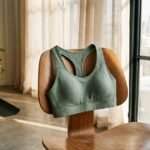
The matcha green color isn’t just pretty, it’s a signal of what’s inside.
I’m talking about the Gruper TPE Yoga Mat, and I’ve got to say, I was pleasantly surprised by this one. It’s made from upgraded eco-friendly material that’s softer and safer than old-school PVC mats.
The double-layer design gives you that sticky, non-slip grip on both sides, so you’re not sliding around during downward dog. At 6mm thick and just 2.6 pounds, it’s light enough to toss in your car before work.
The free carrying strap and storage bag are a nice touch, too. No more juggling a rolled-up mat through the parking lot.
You’ve got two size options here. Both measure 72 by 24 inches, so you’ve got plenty of room to stretch out.
Word of caution: this mat’s designed for barefoot use. Shoes or pet claws will tear it up fast. Clean it with a damp cloth and mild soap, then dry it flat. Skip the washing machine, and don’t leave it baking in the sun.
Best For: Eco-conscious yogis and fitness enthusiasts who want a lightweight, non-slip mat for barefoot home workouts, yoga, and Pilates.
Pros:
- Made from upgraded eco-friendly TPE material that’s softer and safer than traditional PVC mats
- Double-layer anti-slip design provides excellent grip on both sides for stability during poses
- Includes free carrying strap and storage bag for easy transport
Cons:
- Not durable enough for use with shoes or pet claws, limiting it to barefoot exercise only
- Requires hand cleaning with damp cloth; cannot be machine washed or dried
- Vulnerable to damage from prolonged sun exposure
Recommended Products
NEW ECO FRIENDLY MATERIAL: The upgraded Gruper Yoga mat is made with premium friendly material. It costs more to make, but it is safer and more soft than traditional non-green PVC and EVA yoga mats.The exercise mats are suitable for many forms of Yoga, Pilates and fitness.

【Soft & Durable Cotton Blend Strap】Made with an extra-thick cotton-polyester blend, Tumaz yoga mat strap delivers a soft natural feel with reliable durability for daily yoga classes, workouts, and outdoor activities.
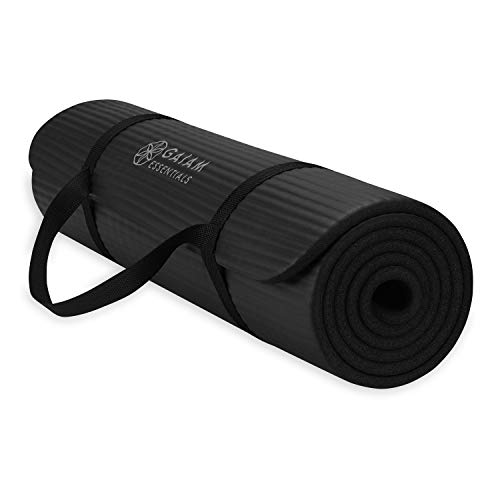
Extra-Thick Cushioning for Joint Comfort : Made with 10mm (2/5") high-density NBR foam, this mat delivers plush cushioning that helps reduce pressure on knees, hips, and joints—ideal for beginners, low-impact yoga, Pilates, stretching, floor exercises, and home workouts on hard surfaces.
Gaiam Essentials Yoga Mat, 6mm Non-Slip with Carrying Sling (Teal)
Looking for a budget-friendly mat that doesn’t skimp on comfort? I’ve got you covered with the Gaiam Essentials Yoga Mat, 6mm Non-Slip with Carrying Sling in Teal.
Why This Mat Works
This classic yoga mat hits the sweet spot at just 1/4 inch thick. That’s 6mm of cushion protecting your knees during planks and floor work.
At 72 inches long and 24 inches wide, it fits most beginners perfectly.
The sticky non-slip texture gives you solid grip, even when things heat up. Hot yoga? No problem. You’ll stay planted through every downward dog.
Health-Conscious Choice
I love that it’s 6P free PVC. No DEHP, DBP, BBP, DINP, DIDP, or DNOP lurking here. It’s a healthier pick for you and the planet.
Pro tip: unroll it and air it out for 2-3 days first. Trust me on this one.
Built-In Portability
The included carrying sling is a game-changer. At 3.5 pounds, it’s light enough to toss over your shoulder and go.
For beginners wanting comfort without breaking the bank, this is pleasantly surprising quality.
Best For: Beginners seeking a budget-friendly yoga mat with extra cushioning and non-slip grip for home or studio practice.
Pros:
- Extra-thick 6mm cushioning provides excellent joint protection during floor exercises
- 6P-free PVC construction eliminates harmful phthalates for a healthier choice
- Includes convenient carrying sling for easy portability to classes
Cons:
- Requires 2-3 day airing out period before first use due to initial odor
- Standard 24-inch width may feel narrow for larger body types
- PVC material, while non-toxic, is less eco-friendly than natural rubber alternatives
Recommended Products

CORK YOGA MAT: Crafted with natural cork top and eco-friendly TPE bottom for a premium, sustainable yoga and exercise experience, ensuring stability and comfort in your workouts.

Classic yoga mat: These durable, yet lightweight exercise yoga mats are extra thick (1/4 Inch) for the additional cushioning your joints need during any yoga or fitness routine
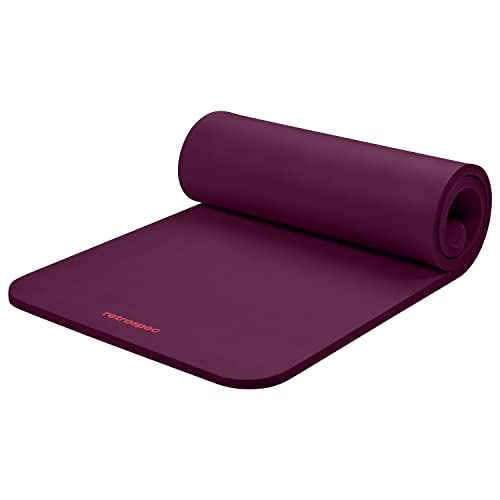
EXTRA THICK FOR COMFORT & BALANCE: Solana firm 1-inch extra thick fitness mat w/ mat strap alleviates stress on pressure points such as joints, hips, hands, and knees. Solana measures 72" X 24" X 1".
Gaiam Yoga Mat Classic Print, 4mm Non-Slip Mat (Pink Marrakesh)
This mat’s 4mm thickness gives you just enough cushion for your joints without feeling bulky. The sticky non-slip surface keeps you stable during downward dogs and warrior poses. At 68 inches long and 24 inches wide, it fits most beginners comfortably.
Materials That Matter
It’s made from PVC, but don’t worry, it’s 6P free. That means no nasty chemicals like DEHP or DBP hiding in there.
You might notice a harmless odor when you first unwrap it. Just unroll it and let it air out for 2-3 days. Problem solved.
Bonus Perks
Gaiam throws in a free downloadable yoga workout. The Pink Marrakesh print isn’t just pretty, it’s motivation you can actually see. Sometimes that stylish design keeps you showing up.
And showing up, that’s the real game-changer.
Best For: Beginners and casual yogis who want a lightweight, stylish mat with reliable grip and joint cushioning.
Pros:
- Sticky non-slip surface provides excellent stability for poses
- 6P-free PVC material eliminates harmful chemicals for safer practice
- Includes free downloadable yoga workout for added value
Cons:
- Requires 2-3 days of airing out to dissipate initial harmless odor
- 4mm thickness may not provide enough cushioning for sensitive joints or advanced practitioners
- 68-inch length may be too short for taller users
Recommended Products

Superior Comfort & Support: Extra-large (71" x 24") and 1/2-inch thick high-density foam yoga mat provides cushioned support for spine, hips, knees, and elbows on hard floors
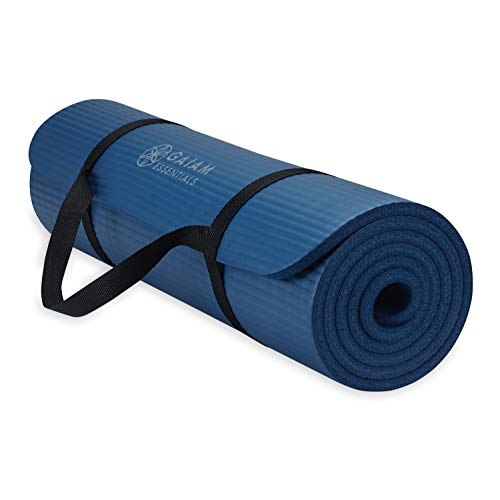
Extra-Thick Cushioning for Joint Comfort : Made with 10mm (2/5") high-density NBR foam, this mat delivers plush cushioning that helps reduce pressure on knees, hips, and joints—ideal for beginners, low-impact yoga, Pilates, stretching, floor exercises, and home workouts on hard surfaces.

[ITS-Certified & Odor-Free] Made with high-quality materials and certified by ITS and SGS, this mat is free from PVC, latex, and heavy metals—ensuring a fresh, clean, and safe workout every time.
Factors to Consider When Choosing a Yoga Mat for Beginners
I’ve tested dozens of mats over the years, and I’ve learned that five key factors separate the game-changers from the duds. Thickness and cushion, material composition, grip and traction, portability features, and size dimensions, each one matters more than you’d think when you’re starting out.
Let me break down what actually counts, so you don’t waste $40 on a mat that’ll leave you slipping and sore.
Recommended Products

LIGHTWEIGHT & THICK YOGA MAT: These durable, yet lightweight exercise yoga mats are extra thick for the additional cushioning your joints need during any yoga or fitness routine

THE BEGIN MAT: Ideal for beginners, this yoga mat provides cushioned support with a 5mm thickness. Reversible design and alignment stripe to help guide your poses, ensuring confidence and balance in every practice

68" long 24" wide ensures comfort for people of all shapes and sizes. With high density eco friendly material, the 1/4'' thick premium mat comfortably cushions spine, hips, knees and elbows on hard floors while keeps you balanced.
Thickness and Cushion
Thickness equals cushioning, but it’s not one-size-fits-all.
I always tell beginners to aim for the sweet spot: 6–8 mm. That’s your gold standard. You’ll get enough padding to protect your knees and elbows on hard floors, without that wobbly feeling during tree pose or warrior II.
Go too thick, like 10–12 mm, and standing poses get unstable fast. Your ankles work overtime just to balance. Too thin, around 2–4 mm, and your joints will remind you every session.
Look for even cushioning across the whole surface, no lumps or pressure points. Some texture helps with grip, which matters when you’re sweating through a vinyasa flow.
For busy people, 6–8 mm mats roll up easily. Toss one in your car, no problem.
Material Composition
Once you’ve nailed down thickness, the stuff your mat’s actually made of becomes your next big decision.
I look at foam density first. High-density NBR foam, around $25–$40, cushions joints like a dream. Traditional PVC runs cheaper, roughly $15–$30, but it’s firmer under your knees.
Eco-friendly TPE mats, typically $35–$55, feel softer and skip the chemical worries. I’ve noticed they’re a game-changer for beginners sensitive to smells.
Speaking of odor, some mats need 24–48 hours to air out. That initial off-gassing? Totally normal, just plan ahead.
Weight matters too. Most quality mats land between 2–4 pounds. Anything heavier becomes a hassle when you’re rushing to class.
Pick materials that match your priorities: cushion, safety, or portability.
Grip and Traction
Three things ruin a yoga session faster than anything: wobbling in downward dog, sliding in warrior two, and face-planting during a simple transition. I’ve learned that grip is everything when you’re starting out, and a textured surface is your best friend here. It bites into hard floors, keeping you steady through poses and transitions.
Extra-thick mats, around 6–10 mm, are a game:changer. They cushion your joints and actually fight sweat slipperiness. Look for double-layer designs with anti-slip textures on both sides, too. These handle dynamic movements without sending you flying.
Non-toxic PVC or similar materials hold their grip long,term without getting slick. One tip: let your mat air out flat before first use. Residues and odors can mess with traction initially, so give it a day. You’ll be pleasantly surprised how much confidence solid grip builds.
Portability Features
Where are you taking your mat? If you’re juggling work, home, and studio classes, portability isn’t a nice-to-have, it’s a game-changer.
I always look for a carrying strap or sling. Hands-free transport means I can grab my coffee, my keys, and still make it to class on time. The Manduka Go Move Sling, around $15, is my gold standard.
Roll-up designs with straps compact nicely for car-to-class transitions. I’ve found mats under 2.5 pounds, like the Gaiam Foldable at $35, reduce that end-of-class fatigue when I’m already tired.
Quick setup matters too. Foldable mats that maintain their shape save precious minutes. Thinner mats, 3-4mm, travel lighter and stash smaller. You’ll be pleasantly surprised how much difference a pound makes on a busy day.
Size Dimensions
How much space do you really need?
Most yoga mats run 68, 74 inches long and 24 inches wide. That’s your gold standard for full-body coverage. I’m 5’8″, and a 68-inch mat works fine. Taller folks, grab 72, 74 inches. Trust me, exposed knees on hardwood floors hurt.
Thickness matters too. I started with 6mm, found my sweet spot. Thinner mats (4mm) travel easier. Thicker ones (8mm+) feel plush but weigh more.
Storage’s a real concern. My extra-long mat barely fits my closet. Consider your commute, your bag, your life.
Wider options exist, but 24 inches handles most poses. Narrower mats? Skip them. Stability’s non-negotiable for beginners.
Measure your space first. You’ll be pleasantly surprised how much this one step simplifies everything else.