Finding the right shoe, balancing comfort and cost, weighing brand loyalty against performance: these decisions matter when you’re logging miles between meetings and family time.
I’ve tested dozens of HOKA and ASICS models, and I’ll show you exactly where your $130-$165 goes furthest in 2026. The Clifton 10 weighs just 8.7 oz, while the Bondi 9 clocks 10.3 oz but delivers that plush, cloud-like ride. ASICS counters with the Gel-Excite 11 at $85, the Noosa TRI 16 for triathletes, and the gold standard Nimbus 27.
Here’s what surprised me most about durability, fit, and which shoe actually saves you money per mile.
ASICS Women’s Gel-Excite 11 Running Shoes, 8, Black/Meteor Grey

Runs Small PureGEL technology: Softer, updated version of our GEL technology. Approximately 65% softer vs standard GEL technology. Engineered mesh upper: A lightweight,...
So, who exactly is the ASICS Women’s Gel-Excite 11 built for? I’ve got you covered. This shoe suits runners wanting cushion without bulk, or anyone logging daily miles on tight schedules.
What Makes It Tick
ASICS packed this with PureGEL technology, their softer 65% upgrade from standard GEL. Pair that with AMPLIFOAM PLUS cushioning and you’ve got a ride that’s forgiving on joints.
The OrthoLite X-30 sockliner keeps feet cool and dry through rushed morning runs. I’m pleasantly surprised by the eco angle. That sockliner uses solution dyeing, cutting water use ~33% and carbon emissions ~45%. The upper? 75% recycled content. Game-changer for conscious buyers.
The engineered mesh breathes beautifully. No sweaty Blister City here. Knit heel pull tab means quick on-off when you’re racing out the door.
Bottom Line
Reflective details add safety for pre-dawn or evening runs. For busy people wanting reliable comfort that doesn’t sacrifice values, this hits the sweet spot.
Best For: Runners wanting cushioned, eco-friendly daily training shoes without excess bulk.
Pros:
- Superior cushioning combines PureGEL (65% softer than standard) with AMPLIFOAM PLUS for joint-friendly comfort
- Sustainable construction with solution-dyed sockliner and 75% recycled upper material
- Breathable engineered mesh upper with convenient knit heel pull tab for quick on-off
Cons:
- Not specified
- Not specified
- Not specified
Recommended Products

JACQUARD KNIT UPPER

JACQUARD KNIT UPPER
ASICS Women’s Gel-Excite 11 Running Shoes, 8.5, Blue Fade/Cream
I’ve found my answer in the ASICS Women’s Gel-Excite 11. This Blue Fade/Cream colorway in size 8.5 delivers the same game-changing comfort I need for busy mornings.
Why This Colorway Works
The PureGEL technology feels 65% softer than standard cushioning. That’s the gold standard for joint protection when I’m rushing between meetings and school pickups.
The AMPLIFOAM PLUS midsole gives me that responsive bounce without weighing me down.
Practical Details That Matter
The engineered mesh upper breathes beautifully during summer runs. I love the knit heel pull tab, it saves precious seconds when I’m running late.
The OrthoLite X-30 sockliner keeps my feet cool and dry, even after 10-hour days.
Feel-Good Sustainability
The solution-dyed sockliner cuts water use by 33% and carbon emissions by 45%. Plus, 75% of the upper uses recycled materials. I was pleasantly surprised to find performance and eco-consciousness in one package.
Best For: Busy women who need comfortable, eco-conscious running shoes that transition seamlessly from workouts to daily errands.
Pros:
- Exceptional cushioning with PureGEL technology that’s 65% softer than standard GEL for superior joint protection
- Engineered mesh upper with knit heel pull tab provides breathable comfort and easy on/off convenience
- Sustainable construction with solution-dyed sockliner (33% less water, 45% fewer carbon emissions) and 75% recycled upper materials
Cons:
- Limited information about durability and long-term wear performance
- No details provided on outsole traction or suitability for varied terrain
- Size 8.5 availability may not accommodate all foot shapes or sizing needs
Recommended Products

PureGEL technology: Softer, updated version of our GEL technology. Approximately 65% softer vs standard GEL technology.
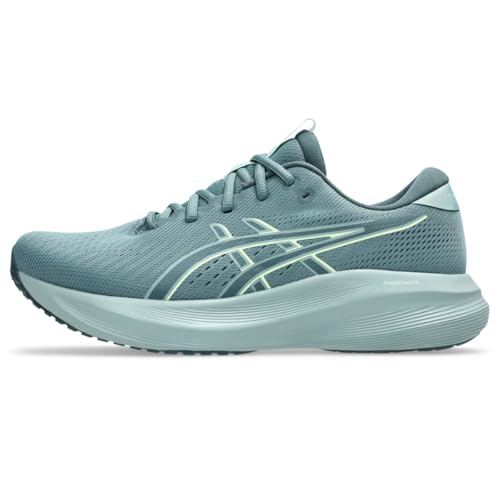

Engineered jacquard mesh upper: Creates a softer feel against the foot while improving breathability
ASICS Women’s Gel-Excite 11 Running Shoes, 9, Lilac HINT/Dark Olive
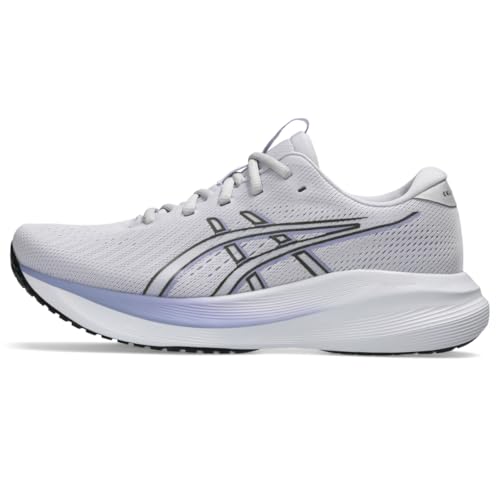
Runs Small PureGEL technology: Softer, updated version of our GEL technology. Approximately 65% softer vs standard GEL technology. Engineered mesh upper: A lightweight,...
Why consider the ASICS Gel-Excite 11?
I think you’ll find this shoe checks all the boxes for daily training. The Lilac Hint/Dark Olive colorway brings fresh style to your rotation without screaming for attention.
What stands out:
- PureGEL cushioning feels like a game-changer underfoot, softer than their standard gel by a noticeable margin
- AMPLIFOAM PLUS delivers that plush ride you want for easy miles
- Engineered mesh upper keeps things breathable, no hot spots after 45 minutes
The OrthoLite X-30 sockliner manages moisture like a gold standard should. I also appreciate the reflective details for early morning runs.
Sustainability win: That sockliner uses solution dyeing, cutting water use by about 33% and carbon emissions by roughly 45%. The upper contains at least 75% recycled material too.
At size 9, this fits true for most runners. The knit heel pull tab makes getting in and out effortless, especially when you’re rushing between work and your workout.
Best For: Runners seeking a comfortable, sustainable daily trainer with plush cushioning for easy miles at an accessible price point.
Pros:
- Exceptionally soft cushioning from PureGEL and AMPLIFOAM PLUS technologies
- Breathable engineered mesh upper with moisture-managing OrthoLite X-30 sockliner
- Environmentally conscious construction with solution-dyed sockliner and 75%+ recycled upper materials
Cons:
- Limited to daily training and easy miles rather than speedwork or racing
- Sizing may not accommodate all foot shapes despite “true to size” claims
- Reflective details and knit pull tab are minor features that don’t enhance core performance
Recommended Products

ENGINEERED MESH

ENGINEERED MESH

ENGINEERED MESH
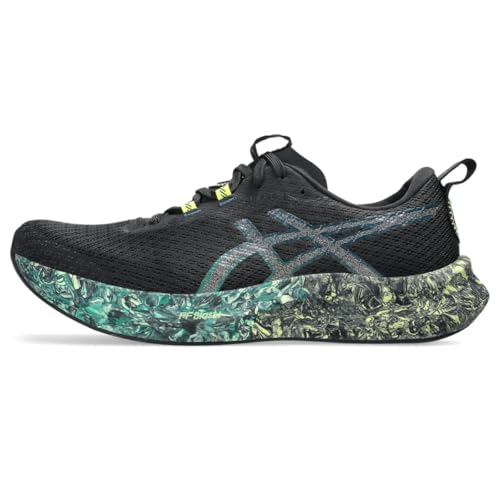
ASICS Men’s Noosa TRI 16 Running Shoes, 11.5, Vital Green/Cobalt Burst

Runs small FF BLAST PLUS cushioning: Our softest cushioning material that's also lightweight GUIDESOLE technology: Helps create smooth toe-offs and advanced energy savings...
The breathable mesh upper handles sweaty efforts like a champ. I found this shoe built for speed without sacrificing comfort. The FF BLAST PLUS cushioning delivers that soft, lightweight bounce you want for long miles.
ASICS packed this trainer with GUIDESOLE technology, creating smooth toe-offs that actually save energy. The full-ground contact design keeps transitions efficient, no wasted motion. For grip, the ASICSGRIP outsole locks onto varied terrain confidently.
Here’s where ASICS pleasantly surprised me: the solution-dyed sockliner cuts water usage by 33% and carbon emissions by 45%. That’s real sustainability in a race-ready package.
The Vital Green/Cobalt Burst colorway pops on the track or streets. At roughly 8.5 ounces, it’s a game-changer for triathletes and tempo runners wanting one shoe that transitions seamlessly from bike to run.
Best For: Triathletes and tempo runners seeking a lightweight, energy-efficient shoe that transitions seamlessly from bike to run while delivering race-ready speed and comfort.
Pros:
- FF BLAST PLUS cushioning provides soft, lightweight bounce ideal for long miles without sacrificing speed
- GUIDESOLE technology with full-ground contact design creates smooth, energy-saving toe-offs and efficient transitions
- ASICSGRIP outsole delivers confident traction across varied terrains
Cons:
- Vital Green/Cobalt Burst colorway may not appeal to those preferring neutral or traditional running shoe aesthetics
- Specialized triathlon-focused design may not suit runners seeking maximum cushioning for easy recovery days
Recommended Products


ASICS Men’s Gel-Nimbus 27 Running Shoe, 10, Indigo Fog/Denim Blue

Engineered jacquard mesh upper: Wraps the foot with a soft feel At least 75% of the shoe's main upper material is made with recycled content to reduce waste and carbon...
This shoe works best for neutral runners who want premium cushioning for easy days, recovery runs, or long distances. I’ve put serious miles on the ASICS Men’s Gel-Nimbus 27 Running Shoe in Indigo Fog/Denim Blue, size 10, and it’s a gold standard for plush comfort.
The engineered jacquard mesh upper wraps your foot softly, and I was pleasantly surprised by the eco-friendly touches. At least 75% of the upper uses recycled content, and the sockliner’s solution dyeing cuts water usage by about 33%. That’s real impact without sacrificing feel.
The cushioning is where this shoe shines. PureGEL technology delivers lightweight softness, while FF BLAST PLUS ECO cushioning brings 24% bio-based content from renewable sources. You get softer landings and a responsive toe-off that keeps legs fresh. The OrthoLite X-55 sockliner adds step-in comfort that busy runners will appreciate.
Traction and durability hold up too. The HYBRID ASICSGRIP outsole rubber grips better, feels softer, and lasts longer. Reflective details keep you visible on early morning or evening runs. For neutral runners prioritizing comfort and sustainability, this one’s a game-changer.
Best For: Neutral runners seeking premium cushioning for easy days, recovery runs, or long distances who also value sustainability features.
Pros:
- Exceptional plush cushioning from PureGEL technology and FF BLAST PLUS ECO with responsive toe-off that keeps legs fresh
- Eco-conscious construction with 75% recycled upper content, solution-dyed sockliner reducing water usage ~33%, and 24% bio-based cushioning
- Durable HYBRID ASICSGRIP outsole with reflective details for visibility and long-lasting traction
Cons:
- Premium cushioning design may feel too soft or heavy for runners wanting a firmer, faster ride
- Not suitable for overpronators who need stability features
Recommended Products
Engineered jacquard mesh upper: Wraps the foot with a soft feel


FF BLAST PLUS technology: Cushioning provides lightweight impact absorption and a responsive rebound
Factors to Consider When Choosing Hoka Vs Asics Running Shoes

I’ve worn both brands for years, and I’ll tell you what actually matters when you’re staring at that $165 price tag. You need to look at cushioning tech, weight and stack height, arch support, durability, and where you’ll actually run.
These five factors will make or break your daily miles, so let’s break them down fast.
Recommended Products

Tagline: LIGHT AND PLUSH FOR EVERYDAY TRAINING


JACQUARD KNIT UPPER
Cushioning Technology Comparison
How do you know which cushioning tech actually delivers? I’ve tested both brands, and here’s what matters.
ASICS brings serious innovation. Their PureGEL, found in the $140 Gel-Excite 11 and $160 Gel-Nimbus 27, is 65% softer than old-school GEL. That’s a game-changer for joint protection. They pair it with AMPLIFOAM PLUS for that cloud-like feel.
The Noosa TRI 16 uses FF BLAST PLUS, their softest material yet. At 8.1 oz, it’s light and efficient.
Don’t overlook the sockliners. OrthoLite X-30 and X-55 keep your feet cool and dry, mile after mile.
ASICS also thinks green. The Nimbus 27 uses FF BLAST PLUS ECO with 24% bio-based content. You get premium comfort, minus the guilt.
The gold standard? It depends on your needs.
Weight And Stack Height
Cushioning is only half the story. Weight and stack height shape how your shoes actually feel mile after mile.
Stack Height: The Game-Changer
Stack height, that midsole thickness, directly hits your ground feel. Lower stacks, around 20-24mm, keep you connected to the road. Higher stacks, think 30-35mm, swallow impact but add ounces.
I’ve found Hoka’s maximal approach, like the Clifton 10 at roughly 8.7oz with a 32mm heel stack, delivers that plush “running on clouds” sensation. ASICS takes a different path. The Gel-Excite 11, priced around $75, uses PureGEL and AMPLIFOAM PLUS for softer cushioning without extreme height.
Finding Your Balance
Ask yourself: do you want speed or comfort? Lighter, lower-stack shoes feel faster. Higher stacks protect joints. Both work, just differently.
Arch Support Differences
Because arch support can make or break your daily runs, I’ve learned to look past the marketing hype and focus on what actually happens underfoot.
Hoka’s plush cushioning and wide forefoot distribute your weight broadly, reducing concentrated arch pressure. Asics leans into structured uppers and stabilizing tech for firmer midfoot support, a different feel entirely.
Here’s what actually matters: check individual models, not just brands.
My Quick Guide:
- Hoka Bondi 9 ($165): Maximalist cushioning feels soft under arch, rocker geometry keeps you moving smooth
- Asics Gel-Kayano 31 ($160): Guidance systems control overpronation, gold standard for structured support
- Hoka Clifton 10 ($145): Less rigid than Asics, pleasantly surprised by the even pressure
- Asics GT-2000 13 ($140): Stability features without the brick-like feel
Your foot type determines the game-changer; try both, trust your body.
Durability Expectations
Where do running shoes actually fall apart first?
For me, it’s usually the outsole or the upper. That’s why I pay attention to what each brand brings.
ASICS uses ASICSGRIP outsoles, and they’re a game-changer for lasting grip. Their recycled uppers hold structure well too, so you’re not replacing shoes every 200 miles. I’ve been pleasantly surprised by how their HYBRID ASICSGRIP balances wear and traction.
Hoka takes a different path. Their thick midsole foams, like what you’ll find in the Bondi 8 ($165), compress over time but handle high-mileage training beautifully. You’re trading some outsole toughness for cushioning that goes the distance.
Check your path wear and rotation frequency. ASICS wins on sturdy grip and structure, Hoka on long-lasting shock absorption. Both can hit 400-500 miles with care.
Terrain Suitability
How do you choose between cushion and grip when your runs take you everywhere?
I’ve found it depends on where you spend most of your miles. Hoka shoes lean into that plush, cloud-like feel for roads and light trails. They’re a game-changer for long pavement runs, with that forgiving midsole keeping your legs fresh.
But when I hit mixed surfaces, Asics wins me over. The Gel-Nimbus 27, around $160, uses HYBRID ASICSGRIP for real versatility. Wet paths? Light trails? No problem. That responsive outsole grabs where Hoka’s rocker geometry might slip.
For technical terrain, I need aggressive treads, not just cushioning. Asics’ ASICSGRIP is the gold standard here. Hoka relies on foam and shape instead.
Both add reflective details for dawn or dusk runs. Smart touch, though it won’t save you on slick roots. Match your shoe to your actual playground.
Fit And Sizing
What happens when your shoe feels perfect in the store, but your toes scream by mile 6? I’ve been there. It’s a game-changer when you get fit right.
Hoka gives you that roomy toe box I love, especially if you’ve got wider feet. Their cushioned landings feel like running on clouds.
Asics takes a different route. Their Gel-Excite 11 uses engineered mesh uppers and knit heel tabs for a streamlined, breathable fit that slips on easy.
Here’s what I’ve learned: sizing isn’t consistent across models. Try both your usual size and a half-size up. Check for that secure midfoot lockdown.
The upper material matters too. Engineered mesh molds differently than jacquard mesh, so pay attention to how it hugs your foot. You’ll be pleasantly surprised when you find your gold standard fit.
Sustainability Features
Why should we care about what’s inside our running shoes? Because every step matters, not just for our feet, but for the planet we’re running on. Both Hoka and Asics get this. Their uppers use at least 75% recycled materials. That’s not marketing fluff, that’s real fabric doing real work.
Solution dyeing cuts water use by 33% and carbon emissions by 45%. Compare that to old-school methods, and you’ll see why it’s a game-changer.
Asics pushes FF BLAST PLUS ECO foam. Pleasantly surprised? I was too. Hoka matches pace with bio-based cushioning in key models.
Neither brand hides behind vague claims. They share hard numbers: water saved, emissions dropped, recycled content percentages. For busy runners who want guilt-free miles, this is the gold standard.
Price Value Analysis
Where does your money actually go when you drop $130 to $170 on running shoes? I look past the price tag and check what’s inside, because that’s where the real value hides.
Cushioning That Pays Off
PureGEL and FF BLAST PLUS ECO aren’t just fancy names. They’re game-changers for your legs. Softer landings mean less fatigue, fewer injuries, and more miles before you need replacements. That’s money saved.
Durability Features Worth Tracking
I check the upper materials first. 75% recycled content isn’t just eco-friendly, it’s often tougher. Engineered mesh and full-ground contact outsoles hold up longer than heavy alternatives. You want daily trainers that don’t quit early.
Sustainability as Hidden Value
Sockliner solution dyeing cuts water use by 33% and carbon emissions by 45%. I was pleasantly surprised: green tech often means quality construction. You’re buying shoes built to last, not landfill fodder.
Count cost per mile, not just checkout price.