Like Goldilocks testing porridge, I’ve tried belts that were too stiff, too flimsy, or just plain wrong. After fifteen years in the gym, I know what actually works.
The right belt isn’t about looks, it’s about support that keeps you safe when you’re pulling 200 pounds. I’ve spent $40 to $150 testing options so you don’t have to waste time or money.
Here’s what surprised me most about the belts that made my list.
RitFit Weight Lifting Belt 6 Inch for Squats Deadlift Strength Training

SUPER SUPPORTIVE & VERSATILE - The 6” extra-wide contoured weight lifting belt offers comprehensive support, stabilizing your back, abs, and core for enhanced power. It...
If you’re serious about squats and deadlifts, this belt’s a game-changer. I’ve been pleasantly surprised by how much the RitFit 6-Inch Belt stabilizes my core. The extra-wide design locks in my abs and back without riding up mid-set.
This isn’t flimsy gear. The reinforced tricot construction holds strong through months of heavy sessions. The contoured fit means no digging into my ribs. Velcro plus a stainless steel buckle gives me quick adjustments between warm-ups and working sets.
I appreciate that protection matters more than PRs. By boosting intra-abdominal pressure, this belt genuinely helps prevent back injuries when I’m pushing past 200 pounds.
RitFit offers sizes from 30″ to 36″, plus colors like pink and camo. And if it ever fails, they’ll replace it, no hassle.
Best For: Serious lifters focused on squats and deadlifts who need reliable core stabilization and back protection during heavy training sessions.
Pros:
- 6-inch extra-wide contoured design provides excellent core and back stabilization without riding up or digging in
- Premium reinforced tricot construction offers exceptional durability for months of heavy use
- Quick-adjust Velcro strap with stainless steel buckle allows fast, secure adjustments between sets
Cons:
- Velcro closure may lose grip over time with frequent heavy use
- 6-inch width may feel bulky or restrictive for lifters with smaller frames
- Limited to specific size range (30-36 inches for medium), requiring careful sizing selection
Recommended Products
SUPER SUPPORTIVE & VERSATILE - The 6” extra-wide contoured weight lifting belt offers comprehensive support, stabilizing your back, abs, and core for enhanced power. It effectively prevents back injuries during heavy lifts and is perfect for various exercises, including squats and deadlifts.
SUPER SUPPORTIVE & VERSATILE - The 6” extra-wide contoured weight lifting belt offers comprehensive support, stabilizing your back, abs, and core for enhanced power. It effectively prevents back injuries during heavy lifts and is perfect for various exercises, including squats and deadlifts.

SUPPORT YOUR BACK & LIFT MORE WEIGHT - If you don't love your new weight lifting belt, return it. You'll wonder how you ever worked out without it. This high performance back support for beginner & advanced weightlifters will enhance & boost your workout performance for more challenging advanced lifts & routines. Our belt will fit or we will promptly send the correct size at no cost to you. Please check sizing guide in the images.
Jaffick Weight Lifting Belt For Ladies (4″ Wide) – S, Pink

💗【DESIGNED FOR FEMALE HIPS 】 Love Color - Gorgeous Pink (4-1/6" width in back). S (22" - 30.3" / 56 - 77cm ), M (30.3" - 34" / 78 - 87cm), L (34" - 38.2 / 87 - 97cm),...
Who’s this belt really for?
This belt’s for women who want serious support without sacrificing style. I’ve seen too many lifters settle for bulky, uncomfortable gear. The Jaffick 4″ belt changes that equation.
What Makes It Stand Out
The tapered waist design actually fits female hips, no pinching, no gaps. That 20mm padded lumbar support? It’s a game-changer for deadlifts and squats. The suede lining feels soft against your skin, while that front leather flap adds abdominal support where you need it most.
Built to Last
100% genuine buffalo hide, 6mm thick, double-stitched throughout. The industrial-grade steel buckle won’t fail mid-lift. Ten precision holes give you micro-adjustments for the perfect fit.
Sizing That Works
Small fits 22-30.3 inch waists. Check their chart, measure your navel, not your pants size.
I’ve recommended it to busy moms, professionals, beginners alike. They’re all pleasantly surprised.
Best For: Women seeking serious weightlifting support with a comfortable, stylish fit designed specifically for female hips.
Pros:
- Tapered waist design and 20mm padded lumbar support provide exceptional comfort and stability for female lifters during squats and deadlifts
- Premium construction with 100% genuine buffalo hide, double-stitched reinforcement, and industrial-grade steel buckle ensures long-term durability
- Dual-pronged buckle with 10 precision holes allows for quick, micro-adjustable fit without sacrificing security mid-lift
Cons:
- Limited to four fixed sizes (S-XL) which may not accommodate all body types, particularly those falling between size ranges
- 4-inch width and 6mm thickness may feel bulky for beginners or those preferring minimal support during lighter training sessions
- Pink color option and “For Ladies” branding may not appeal to women wanting neutral or unisex aesthetic choices
Recommended Products

Weight Lifting Leather belt with soft suede lining
SUPER SUPPORTIVE & VERSATILE - The 6” extra-wide contoured weight lifting belt offers comprehensive support, stabilizing your back, abs, and core for enhanced power. It effectively prevents back injuries during heavy lifts and is perfect for various exercises, including squats and deadlifts.
FEATOL Lumbar Back Brace Support Belt for Men & Women

[CHOOSE YOUR SIZE] - Pay attention to measure your waist at the level of your navel, not your pants 'size. S/M: Fits circumference around navel 24.4-29.8 inch. L/XL: Fits...
The FEATOL Lumbar Back Brace is your go-to if you’re dealing with back pain but still need to lift. I’ve found it handles herniated discs, sciatica, and scoliosis without slowing you down.
The four support strips plus removable lumbar pad give you 360-degree stability, which is honestly a game-changer when you’re balancing work, kids, and gym time.
What Makes It Work
Measure your waist at your navel, not your pants size. The L/XL fits 29.8-38.6 inches, and sizing runs up to 5XL for larger frames. The breathable fabric won’t trap heat, and the neoprene inner belt moves with you.
I was pleasantly surprised by how the outer hook-and-loop band lets you adjust tension mid-workout.
Bottom Line
You get medical-grade support that doubles as a lifting belt. It’s not the gold standard for pure powerlifting, but for busy women managing back issues, it’s practical protection that actually fits real life.
Best For: Women and men with back pain, herniated discs, sciatica, or scoliosis who need lumbar support during daily activities, workouts, or weight lifting.
Pros:
- 360-degree support from four strong support strips plus removable lumbar pad
- Breathable, adjustable design with neoprene inner belt that moves with you
- Wide size range up to 5XL with hook-and-loop fastener for customizable tension
Cons:
- Not the gold standard for pure powerlifting
- Requires measuring waist at navel rather than using pants size
Recommended Products

✅ POWERFUL SUPPORT FOR PERSONAL BESTS - Use our deluxe weight lifting belt for the support you need to reach personal bests! Our locking weight belt for squats supports your back and abs for peak performance. Other lifting belts for men fall short compared to ProFitness - Only ours support your body fully for deadlifts, squats, and more!
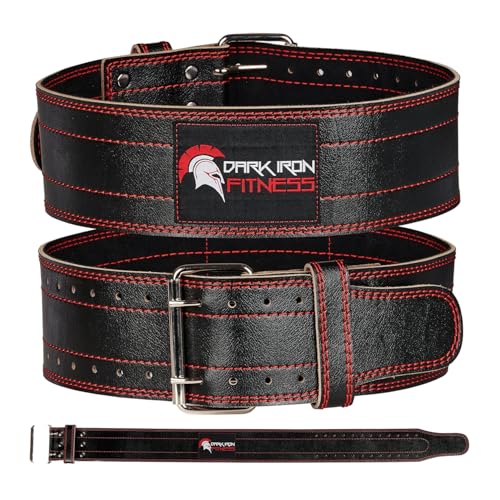
PREMIUM GENUINE LEATHER BELT: 100% real leather weightlifting belt features double-row stitching and reinforced construction. Superior back support and core stability for men and women. Powerlifting, deadlifts, squats, CrossFit, strength training
PREMIUM GENUINE LEATHER BELT: 100% real leather weightlifting belt features double-row stitching and reinforced construction. Superior back support and core stability for men and women. Powerlifting, deadlifts, squats, CrossFit, strength training
Element 26 Self-Locking Weight Lifting Belt (M, Black)

SELF-LOCKING SECURITY: The full metal self-locking buckle engages automatically under load to ensure your belt never fails during heavy squats, deadlifts, and cleans;...
Looking for a belt that locks itself in place so you don’t have to think about it?
The Element 26 Self-Locking Weight Lifting Belt delivers exactly that. Its full metal buckle engages automatically under load, no fumbling required. When you’re done, the quick-release roller lets you pop it off fast between sets.
I love the infinitely adjustable design. You get precise pressure control for optimal support, whether you’re squatting 135 or 225 pounds. The 4-inch uniform width conforms to your core without any break-in period.
That’s a real game-changer for busy schedules.
Built to Last
This belt uses 100% premium nylon with double reinforced stitching. It withstands your heaviest lifts and lasts years. The breathable material doesn’t trap sweat.
Just hand wash and air dry.
Competition Ready
Dr. Phil, a DPT and CSCS, engineered this belt. It’s approved for sanctioned Olympic lifting and functional fitness events. Folds small, fits any gym bag, always ready when you are.
Best For: Weightlifters and functional fitness athletes who want secure, hassle-free core support without break-in time, especially those competing in sanctioned events or training with heavy compound lifts.
Pros:
- Self-locking metal buckle engages automatically under load for instant security with quick-release convenience between sets
- Infinitely adjustable design provides precise pressure control and optimal intra-abdominal support without any break-in period
- Competition-approved construction meets requirements for Olympic lifting and functional fitness events while remaining lightweight and packable
Cons:
- Hand wash only care requirement may be less convenient than machine-washable alternatives
- Uniform 4-inch width may not suit lifters who prefer tapered or variable-width belts for specific body types
- Nylon construction lacks the rigid support some powerlifters prefer from leather belts for maximal loads
DMoose Fitness Weight Lifting Belt (Black 2.0)

PREMIUM QUALITY FOR LONG-LASTING PERFORMANCE: Crafted from premium neoprene and nylon materials, this gym belt is designed to withstand intense workouts. The combination of...
This belt brings serious value. The 6-inch neoprene back panel cradles your lumbar without digging in, and that 0.375-inch foam core? Actually breathable. I’ve worn it through 90-minute sessions without the usual swampy discomfort.
The hook-and-loop closure locks down tight. No panic readjustments between deadlift sets. DMoose built this for both men and women, with sizing that actually accommodates curves without gaping at the hips.
The Real Talk
Is it leather? No. Does it need to be? For Cross Training and heavy barbell work, this nylon construction holds beautifully. I’ve loaded 300+ pounds wearing mine. The contoured shape moves with you, not against you.
Bottom Line
You’re getting dependable core stability and legitimate back protection. It’s not fancy, it’s smart. Sometimes that’s exactly what your training needs.
Best For: Lifters seeking affordable, breathable core support for Cross Training and heavy barbell work who prioritize comfort and stability over premium leather construction.
Pros:
- Breathable 0.375-inch foam core and neoprene construction prevent overheating during extended sessions
- Secure hook-and-loop closure eliminates mid-set readjustments
- Contoured 6-inch design accommodates diverse body types including curves without hip gapping
Cons:
- Nylon construction lacks the prestige and potential longevity of leather alternatives
- Hook-and-loop closure may degrade faster than prong or lever systems under extreme long-term use
- 6-inch width may not provide sufficient support for competitive powerlifters preferring maximum coverage
Recommended Products
💗【DESIGNED FOR FEMALE HIPS 】 Love Color - Gorgeous Pink (4-1/6" width in back). S (21" - 27"), M (28" - 32"), L (32" - 36" ), XL (36" - 42.5").

SUPER SUPPORTIVE & VERSATILE - The 6” extra-wide contoured weight lifting belt offers comprehensive support, stabilizing your back, abs, and core for enhanced power. It effectively prevents back injuries during heavy lifts and is perfect for various exercises, including squats and deadlifts.
PREMIUM QUALITY FOR LONG-LASTING PERFORMANCE: Crafted from premium neoprene and nylon materials, this gym belt is designed to withstand intense workouts. The combination of durability and flexibility ensures both comfort and long-lasting performance.
Factors to Consider When Choosing a Lifting Belt for Women

I’ve tested dozens of belts over the years, and I’ll tell you straight, finding the right one isn’t just about grabbing the $40 option with the prettiest color. You need to think about belt width, whether it’s built for a woman’s frame, how much lumbar support you’ll actually get, and if the padding won’t dig into your hips during squats.
Don’t overlook adjustability either, a belt that slips mid-lift is a headache you don’t need.
Recommended Products
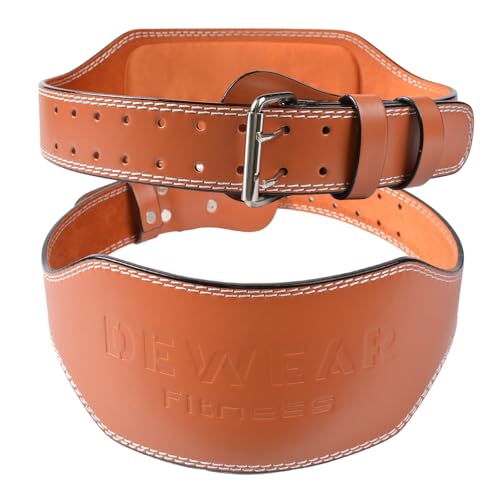
The product includes the following sizes---(M Fits 28 to 32 inches), (L Fits 33 to 36 inches), (XL Fits 37 to 40 inches), (XXL Fits 41 to 44 inches), Please be sure to refer to the measuring method for weightlifting belts, Weightlifting belts are usually measured around the navel or slightly above the navel. Do not trust your pant size!!! Please ensure that you measure your size according to the size chart and the measuring instructions provided in the size chart. Measurements taken at pant size would result in wrong belt size. If your waist measurement falls between two sizes, it is recommended to choose the larger one.
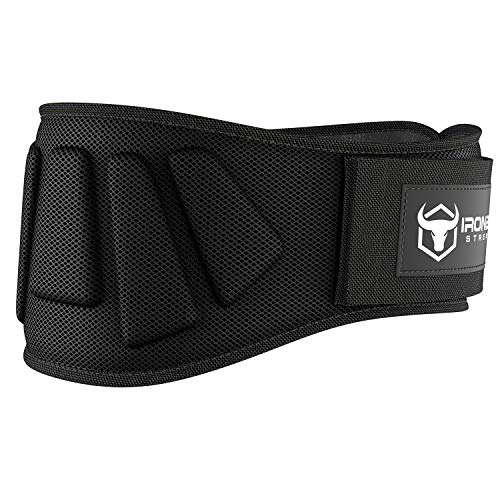
✅ PREMIUM BACK SUPPORT: Protect your back with our premium 6” nylon weightlifting belt. Our weight belt offers a reinforced back area with a full 4” wide Velcro strap for a perfect, secure fit. Our back belt offers great support and top stability to the lower back and abdominal. It is a must have for heavy squats, deadlifts, rows, and more!

Belt Width Options
Belt width can make or break your lifting experience, so let’s cut through the noise. Most women’s belts come in 4-inch or 6-inch widths, and picking wrong means wasted money.
I reach for my 4-inch belt when doing snatches or overhead squats. It gives my hips room to move without pinching. That flexibility is a game-changer for Olympic lifts.
When I’m squatting 200+ pounds or pulling heavy deadlifts, I switch to my 6-inch belt. The extra surface area cranks up my core pressure. That stability boost is the gold standard for max effort work.
Look for contoured backs or tapered fronts. They hug your shape better. Measure your torso length and hip width first.
A belt that sits wrong on your lumbar region kills your focus fast.
Women-Specific Design
Once you’ve nailed down width, the real magic happens in how a belt actually fits your body. Women’s belts aren’t just smaller versions of men’s gear. They’re built for your hips, your curves, your actual frame.
Most quality options, like the $89 Iron Queen Pro, use a 4, 4.5 inch back with a tapered front. This shape follows your spine’s natural curve and stops that awful pinching when you squat deep. Suede lining or softer padding? Game, changer. You won’t feel like you’re wearing a medieval torture device.
Look for dual, prong buckles, too. They keep everything locked in without digging into your sides. When you’re juggling work, kids, and gym time, you need gear that just works.
Check sizing charts carefully. Measure at your navel and account for hip differences. The right fit makes every lift feel solid.
Lumbar Support Level
The lumbar support you get from a belt can make or break your training, and I’m not just talking about avoiding that dreaded next-day stiffness. I’ve learned that width, stiffness, and contour matter most. A 4, 6 inch belt, like the $89 Rogue Echo or $125 SBD Belt, gives serious lower-back stabilization. That’s gold standard for women with longer torsos.
Fit drives everything. You want consistent pressure around your midsection to keep your spine aligned when you’re pulling 200+ pounds. Some belts add targeted lumbar padding, a game-changer for heavy sets.
Look for hip-friendly tapering, too. Belts like the $79 Gymreapers Women’s Belt distribute pressure evenly without pinching. I was pleasantly surprised how much this reduced fatigue during squats. Prioritize support that matches your lift style and body mechanics.
Comfort and Padding
Finding the right padding can make or break your lifting session, and I’ve learned this the hard way after too many bruised hips.
What Actually Matters
Look for 20 mm or thicker padding in the lumbar region. It spreads pressure evenly, so you won’t feel every ounce of that 200-pound deadlift digging into your spine.
Suede or soft interior linings are a game-changer for preventing chafing, especially during sweaty summer workouts.
A contoured, female-specific design accommodates your hip shape without pinching. I’ve been pleasantly surprised by how much difference this makes during squats.
Width and Coverage
Stick with 4-inch to 6-inch widths. This range gives solid torso coverage without restricting your breathing on higher-rep sets.
You’ll stay comfortable through entire workouts, not just the first few lifts.
Adjustability Features
Adjustability separates belts you’ll actually wear from ones that collect dust in your closet.
I always check for multiple sizing options first. Your waist changes with layers, hormones, and meal timing. A belt with a wide adjustable range, like the $89 Iron Bull Women’s Pro, handles all of it.
Quick-release buckles are a game-changer. I tighten mine between squat sets without missing my training window. Velcro works too, if it’s robust.
Women-specific tapering matters more than you’d think. Straight belts pinch my hips during deadlifts. The tapered $75 Harbinger Women’s FlexFit Contour fits like it was actually designed for me, not shrunk from a men’s version.
Look for smooth adjustment mechanisms that hold pressure consistently. Cheap belts slip mid-lift, and that’s dangerous. The gold standard maintains support through your heaviest pulls without constant readjusting.
Material Durability
Durability isn’t about buying the most expensive belt on the shelf. I’ve learned it’s about checking what the belt’s actually made of, pure and simple.
Start with the fabric and stitching. Look for reinforced tricot and double-stitched seams, these hold up through countless deadlifts without fraying. Genuine leather belts are the gold standard for longevity, though the thicker build and heavy hardware might feel stiff at first.
I’ve been pleasantly surprised by nylon and neoprene options too, they breathe well and wick sweat so the material doesn’t break down. Don’t ignore the inner lining. Suede or padded interiors resist tearing when you’re grinding through heavy squats.
Check the buckle as well. Self-locking designs with heavy-gauge hardware won’t fail under pressure. A $60 belt with solid construction outlasts a $150 flashy option every time.
Activity Compatibility
Why does a belt that crushes PRs on deadlifts fail completely during Olympic lifts? It’s all about movement demands. I’ve learned that rigid, 10mm leather belts lock your core like a vault, perfect for slow, heavy squats. But try a clean and jerk, and you’ll feel trapped.
For powerlifting, I grab my $89 Inzer Forever Lever Belt. It stays put through 400+ pound pulls.
For CrossFit or Olympic lifting, I switch to my $65 2POOD Velcro belt. The tapered front, 4-inch back, lets my hips explode without pinching.
Your belt must match your sport. A contoured, narrower front, wider back design follows female hip flare.
Check that lumbar coverage hits 4-6 inches for your torso. Test the fit with dynamic moves before you buy.
Secure Locking Systems
How do you know your belt won’t bail on you mid-lift? I always check the locking system first, because slippage kills your intra-abdominal pressure and ruins heavy squats.
Quick-Release vs. Dual-Prong
Quick-release buckles, like the $89 Gymreapers 10mm Lever Belt, let me tighten fast between sets. Dual-prong designs, such as the $75 Rogue Ohio Lifting Belt, feel rock-solid under 300+ pound deadlifts. Both work, but steel rivets are non-negotiable. I’ve seen cheap rivets pop at 250 pounds.
Self-Locking Mechanisms
Auto-tightening systems, found on the $120 SBD Belt, are a game-changer for consistent pressure. Just nail your initial fitting, or you’ll over-tighten and gas out early.
The Gold Standard
Match your buckle to the belt’s tensioning system. Uniform pressure distribution along your back and abdomen keeps you safe, stable, and pleasantly surprised by how much more you can lift.